
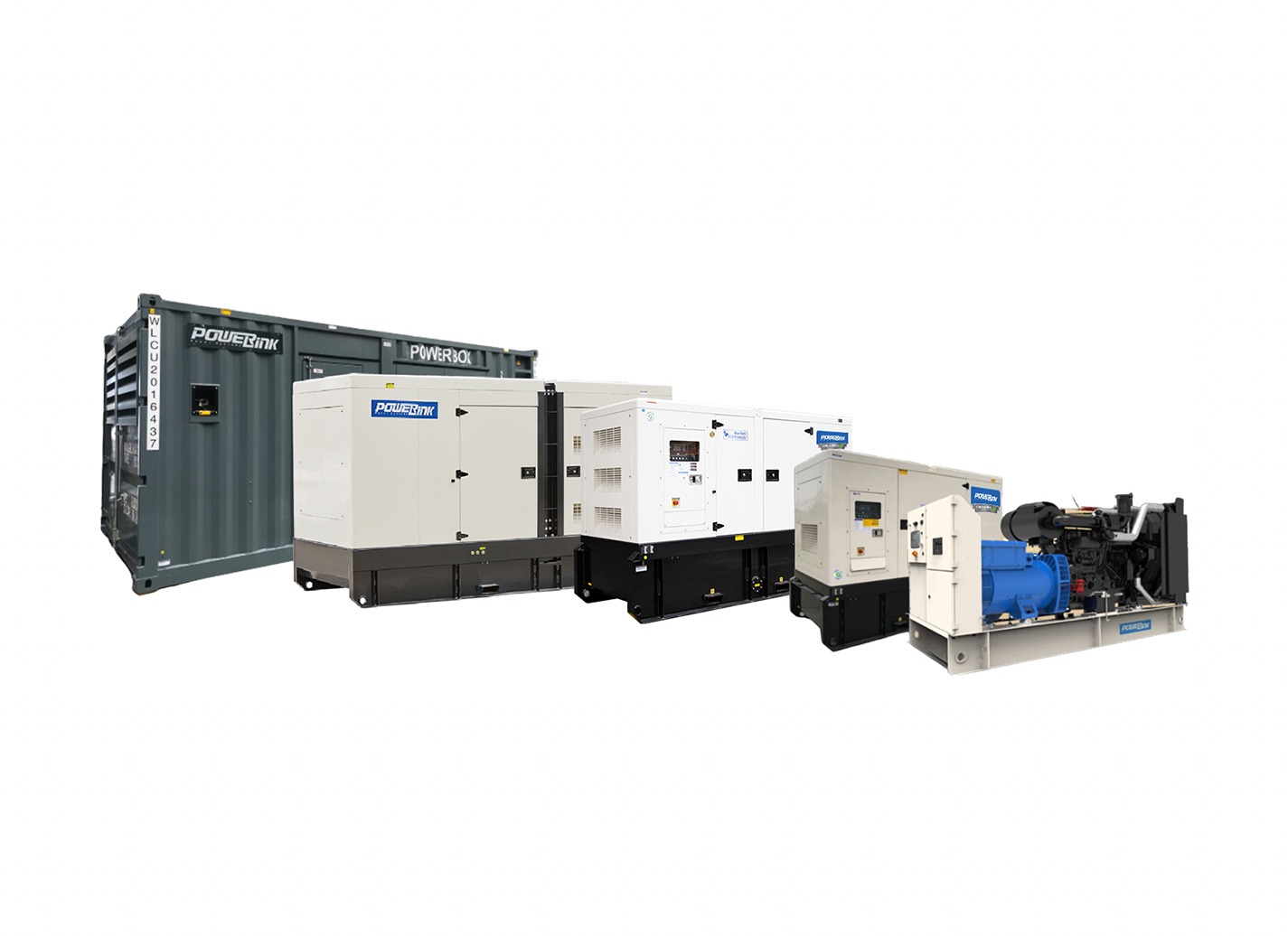
In today’s modern world, where uninterrupted power supply is vital to various industries, businesses and critical infrastructure, diesel generators play a pivotal role. These rugged and reliable machines provide reliable backup power in the event of an emergency or when grid power is unavailable.
In this article, we’ll take an in-depth look at how diesel genset work, their applications in different areas, and their importance in ensuring operational continuity.
Understanding Diesel Generators
Diesel generators are a type of internal combustion engine-driven generator set that converts diesel fuel into electrical energy. They consist of a diesel engine coupled with an alternator, which generates electricity through electromagnetic induction. The diesel engine burns diesel fuel to drive the alternator, which produces AC (alternating current) electricity.
This electricity is then used to power electrical loads or charge batteries for standby use.
Diesel generators come in various sizes, ranging from small portable units suitable for residential use to large industrial-scale units capable of powering entire facilities. They are known for their durability, efficiency, and ability to provide reliable power for extended durations.
Applications of Diesel Generators
Commercial and Industrial Backup Power
One of the primary applications of diesel generators is providing backup power in commercial and industrial settings. Businesses, data centers, hospitals, telecommunications facilities, and manufacturing plants rely on diesel generators to ensure uninterrupted operation during power outages.
Diesel generators can be programmed to automatically start and switch to backup mode when grid power fails, providing seamless transition and maintaining critical operations.
Construction Sites and Remote Locations
Diesel generators are widely used in construction sites, remote locations, and off-grid areas where access to grid power is limited or nonexistent. They power construction equipment, lighting, and temporary facilities, enabling construction projects to proceed smoothly without relying on external power sources.
Portable diesel generators are compact, easy to transport, and capable of delivering power wherever needed, making them indispensable tools for construction and remote work sites.
Marine and Offshore Applications
Diesel generators are commonly used in marine and offshore applications to provide power for ships, oil rigs, and offshore platforms. Marine diesel generators are specially designed to withstand harsh marine environments, including exposure to saltwater, humidity, and vibration. They power propulsion systems, onboard equipment, and electrical systems, ensuring safe and efficient operation at sea.
Residential Backup Power
In residential settings, diesel generators serve as reliable backup power sources during blackouts or emergencies. They provide electricity for essential appliances such as refrigerators, lights, heating systems, and communication devices, allowing homeowners to maintain comfort and safety during power outages. Automatic standby diesel generators can seamlessly restore power to homes within seconds of a grid failure, providing peace of mind to homeowners.
Telecommunications and Utilities
Telecommunications networks, utilities, and infrastructure rely on diesel generators to ensure continuous operation of critical services. Diesel generators power cell towers, radio base stations, water treatment plants, and pumping stations, providing backup power during grid outages or emergencies. They serve as a reliable backup power source to maintain connectivity, public services, and essential utilities for communities.
Conclusion
Diesel generators play a vital role in providing backup power solutions to various industries, ensuring continuity, safety and reliability of operations. From commercial and industrial facilities to residences, construction sites and remote locations, diesel generators serve as a reliable source of power during emergencies or when grid power is unavailable.
Their robustness, efficiency and versatility make them indispensable tools in today’s connected world to maintain critical infrastructure, power essential services and prevent power outages.