
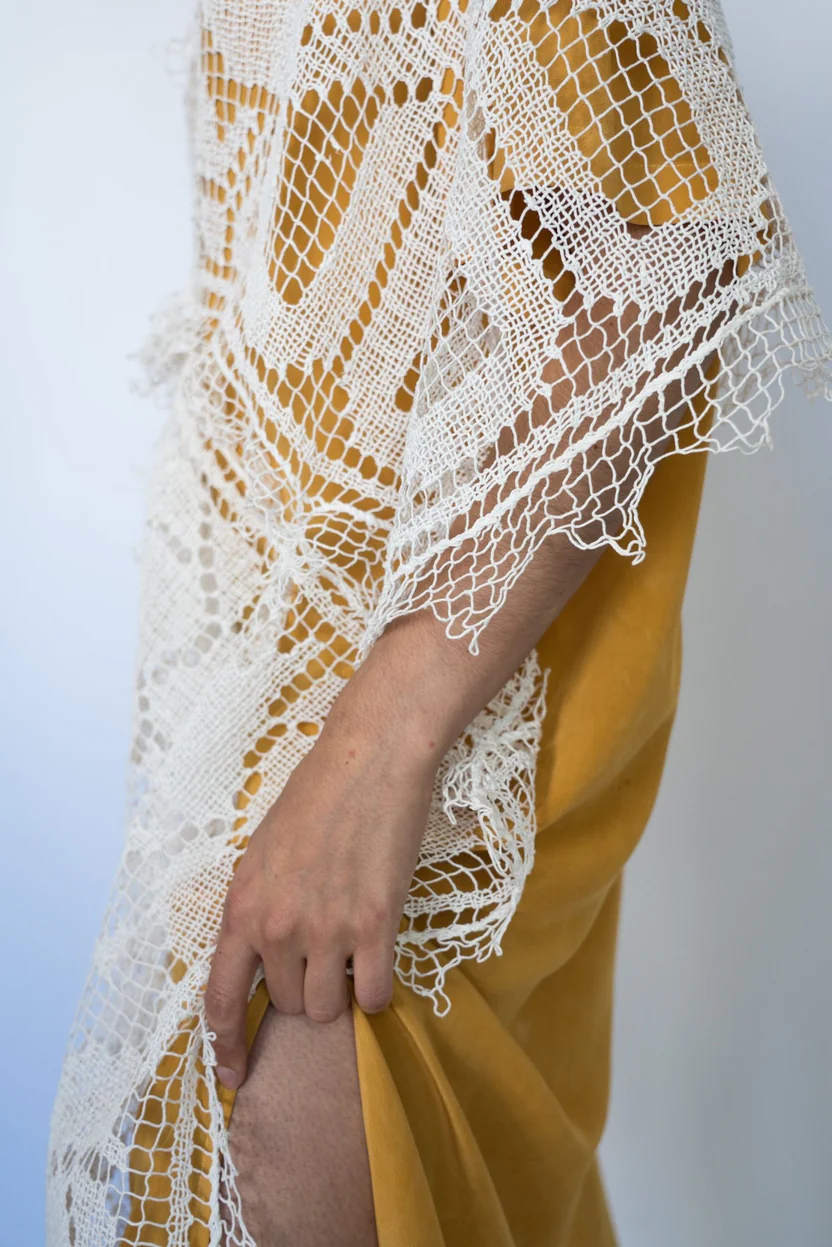
Natural dyes are transforming the textile industry by offering sustainable, eco-friendly, and high-quality coloring solutions for modern fabrics. The rising demand for ethical fashion has increased the popularity of natural dyes across global markets. Our company name natural dyes is committed to innovation in sustainable textiles, and natural dyes from our company name natural dyes ensure premium quality and eco-conscious production. In today’s fashion world, natural dyes from our company name natural dyes are redefining how fabrics are colored, processed, and appreciated by consumers who value sustainability and durability.
- Introduction to Natural Dyeing in Modern Textiles
- Science Behind Natural Dyes in Fabric Enhancement
- How Natural Dyes Improve Fabric Quality
- Environmental Benefits of Natural Dyeing Processes
- Durability and Colorfastness in Natural Dyes
- Natural Dyes in Fashion Industry Trends
- Future Innovations in Natural Dye Technology
- FAQs
Introduction to Natural Dyeing in Modern Textiles
Natural dyes have been used for centuries, but their relevance has grown significantly in modern sustainable fashion. These colorants are derived from plants, minerals, and biological sources, making natural dyes a safer alternative to synthetic chemicals. In contemporary textile production, natural dyes improve fabric texture, reduce environmental impact, and support eco-friendly manufacturing. As global awareness increases, natural dyes are becoming essential in creating high-quality, responsible fashion products.
Science Behind Natural Dyes in Fabric Enhancement
The science behind natural dyes lies in their ability to bond with natural fibers at a molecular level, improving fabric softness and breathability. Unlike synthetic dyes, natural dyes penetrate fibers gently, preserving textile integrity and reducing damage. This results in fabrics that are not only visually appealing but also longer-lasting and skin-friendly. In modern textile chemistry, natural dyes play a key role in achieving sustainable coloration without toxic residues.
Plant-Based Pigments in Natural Dyeing
Plant-based pigments are one of the most important sources of natural dyes, extracted from leaves, roots, flowers, and bark. These pigments provide a wide range of earthy and vibrant shades that enhance fabric aesthetics naturally. Natural dyes derived from plants are biodegradable and safe for both humans and the environment. The use of natural dyes in plant-based coloration ensures that fabrics maintain softness while achieving rich, organic tones.
Mineral and Biological Sources of Natural Dyes
Mineral-based and biological sources also contribute to the diversity of natural dyes used in textiles. Minerals such as clay and earth oxides create stable and long-lasting colors on fabrics. Biological sources like insects and fungi also produce unique shades that enhance textile uniqueness. These natural dyes offer excellent color stability and contribute to sustainable fabric production methods.
How Natural Dyes Improve Fabric Quality
Natural dyes significantly enhance fabric quality by improving texture, breathability, and overall comfort. Fabrics dyed with natural dyes tend to feel softer and more organic compared to chemically treated textiles. Additionally, natural dyes reduce fiber damage during processing, extending the lifespan of garments. Many eco-conscious brands prefer natural dyes because they enhance both aesthetic and functional fabric properties.
Environmental Benefits of Natural Dyeing Processes
One of the most important advantages of natural dyes is their minimal environmental impact. Unlike synthetic dyes, natural dyes do not release harmful toxins into water systems, reducing pollution and ecological damage. The production process of natural dyes consumes fewer resources and supports sustainable agriculture. By using natural dyes, the textile industry contributes to a cleaner, greener, and more responsible future.
Durability and Colorfastness in Natural Dyes
Modern advancements have improved the durability and colorfastness of natural dyes, making them more practical for everyday clothing. Proper mordanting techniques help natural dyes bond effectively with fabrics, increasing resistance to fading. As a result, garments colored with natural dyes maintain their vibrancy for longer periods. Today, natural dyes are widely recognized for balancing sustainability with long-term performance in textiles.
Natural Dyes in Fashion Industry Trends
The fashion industry is increasingly embracing natural dyes as part of the global shift toward sustainable design. Designers are incorporating natural dyes into collections that emphasize authenticity, craftsmanship, and environmental responsibility. From luxury brands to small artisans, natural dyes are becoming a symbol of eco-conscious innovation. The use of natural dyes reflects a growing demand for transparency and ethical production in fashion.
Future Innovations in Natural Dye Technology
The future of natural dyes looks promising as research continues to enhance their performance and scalability. Innovations in extraction techniques and fiber compatibility are making natural dyes more efficient and commercially viable. Scientists are also exploring hybrid solutions that combine natural dyes with modern textile technology. As sustainability becomes a global priority, natural dyes will play a central role in shaping the future of eco-friendly fashion.
FAQs
What are natural dyes made from?
Natural dyes are made from plant materials, minerals, and biological sources such as roots, leaves, bark, and insects.
Why are natural dyes better for fabrics?
Natural dyes improve fabric softness, breathability, and durability while avoiding harmful chemicals used in synthetic dyes.
Do natural dyes fade quickly?
With proper processing and mordanting, natural dyes can maintain strong colorfastness and resist fading over time.
Are natural dyes environmentally friendly?
Yes, natural dyes are biodegradable and produce less pollution compared to synthetic dyeing processes.
How are natural dyes used in modern fashion?
Natural dyes are used in sustainable fashion collections, eco-friendly textiles, and artisanal handcrafted garments.
OUND – Handmade Knits, Dresses & Essentials in Natural Fibers
Contact Website: https://www.ound-ound.com/
Contact Emails:
General Inquiries: [email protected]
Wholesale / Sales: [email protected]