
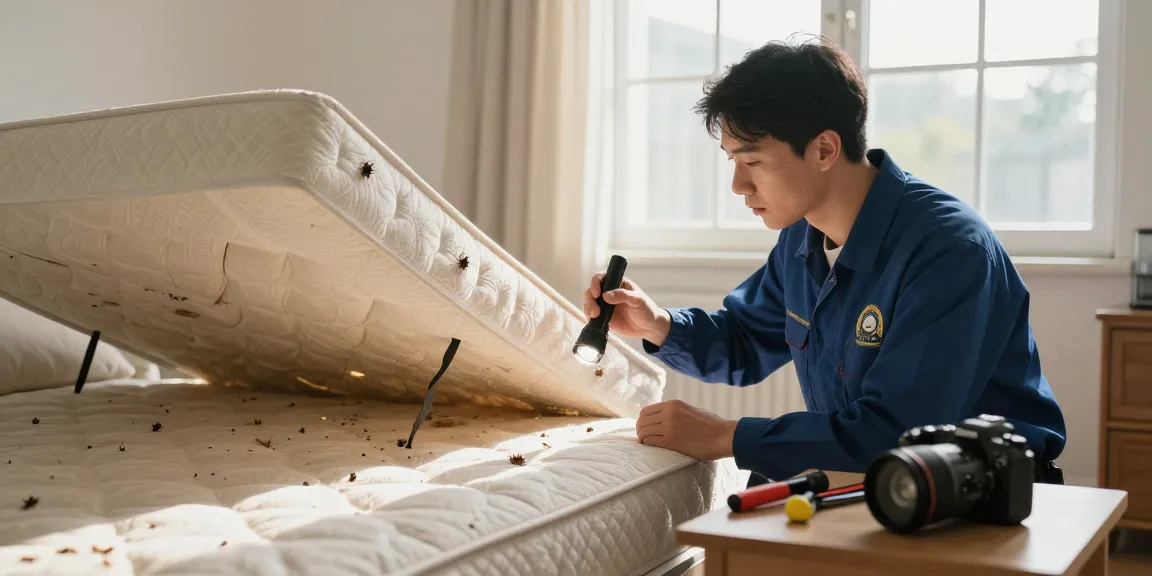
Understanding Bed Bugs and Their Impact on Homes
Bed bugs are small, wingless insects that feed on the blood of warm-blooded animals, including humans. With their increasing prevalence, particularly in urban areas, understanding their biology and impact on homes is essential for effective bed bug control. An infestation can lead to physical discomfort, emotional distress, and financial burden as homeowners grapple with the costs of extermination and potential loss of furniture. This article dives deep into the world of bed bugs, offering insights into their behavior, the health risks they pose, and how you can identify their presence in your home.
What Are Bed Bugs and How Do They Infest?
Bed bugs, scientifically known as Cimex lectularius, have been a nuisance for centuries. These nocturnal pests are adept at hiding, often found in the seams of mattresses, in bed frames, and even within the tiny cracks of walls and floors. Their primary mode of infestation is through travel, hitching rides on luggage, clothing, and used furniture. Once inside, they can reproduce rapidly, with a single female laying up to seven eggs per day under optimal conditions.
The Health Risks Associated with Bed Bug Infestations
While bed bugs are not known to transmit diseases, their bites can lead to a range of health issues. Many individuals experience allergic reactions to bed bug saliva, resulting in itching, redness, and swelling. In some cases, excessive scratching can lead to secondary infections. Furthermore, the psychological impact of an infestation can be considerable, often leading to anxiety, insomnia, and a decline in overall quality of life.
Identifying Signs of Bed Bugs in Your Home
Recognizing the signs of a bed bug infestation can save homeowners from extensive damage and discomfort. Key indicators include:
- Itchy welts: Commonly found on exposed skin, these can appear as clusters or lines.
- Bloodstains: Small red stains on sheets or mattresses, often resulting from crushed bugs.
- Dark spots: Tiny dark specks, which are bed bug feces, may appear on bedding or furniture.
- Eggs and shells: Look for tiny, pearly-white eggs and discarded shells, especially in hiding spots.
Effective Bed Bug Control Strategies for Homeowners
When faced with a bed bug infestation, employing effective control strategies is crucial for eradication. Here, we explore various treatment options available today.
Proven Chemical Treatment Options for Lasting Results
Chemical treatments have been a staple in pest control, providing a residual barrier against bed bugs. These treatments include the use of residual insecticides, which can remain effective for up to 120 days. Proper application is essential to ensure the chemicals penetrate all potential hiding spots. However, it is vital to consult with a professional to select the right product and avoid resistance development in bed bug populations.
Exploring Heat Treatment: An Eco-Friendly Alternative
Heat treatment has emerged as an eco-friendly solution that effectively kills bed bugs at all life stages, including eggs. This method involves raising the indoor temperature to a lethal level for bed bugs, usually around 120°F (49°C). Heat not only eradicates existing bugs but also offers peace of mind by minimizing the chances of re-infestation.
Combining Treatments for Maximum Effectiveness
For the best results in eliminating bed bugs, many pest control experts recommend a combination of chemical and heat treatments. This integrated approach ensures thorough eradication, leveraging the immediate effectiveness of heat with the long-term residual protection of insecticides. Each treatment can compensate for the limitations of the other, providing homeowners with a comprehensive solution.
Preventative Measures for Bed Bug Control
Prevention is often the best strategy in dealing with bed bugs. Here are some best practices homeowners can follow to minimize the risk of an infestation.
How to Inspect and Maintain Your Home Against Bed Bugs
Regular inspections of your home, particularly in bedrooms and common living areas, can help identify early signs of bed bugs. Look for the aforementioned indicators, and consider using mattress encasements. These covers can prevent bed bugs from infesting your mattress and help trap any existing bugs within.
Best Practices for Travel to Avoid Infestations
Since travel is a primary way bed bugs spread, it’s crucial to take precautions when staying in hotels or using public transportation. Always inspect hotel beds and furniture, keep luggage off the floor, and avoid placing bags on beds or upholstered furniture. When returning home, wash clothing in hot water and inspect your luggage thoroughly.
Creating a Bed Bug Prevention Plan
Establishing a formal bed bug prevention plan can greatly reduce the likelihood of an infestation. This should include regular inspections, a travel checklist, and educating all household members about the signs of bed bugs. Ensuring that everyone is aware can help catch problems early, making them easier and less costly to manage.
Case Studies: Successful Bed Bug Control
Real-world examples of successful bed bug treatments can provide valuable insights to homeowners.
Real-World Examples of Effective Extermination
One notable case involved a multi-unit apartment building where residents experienced a widespread infestation. Through coordinated efforts, a combination of chemical treatments and heat remediation was implemented. Following thorough inspections and targeted treatments, the building saw a complete elimination of bed bugs, restoring peace to its residents.
Lessons Learned from Past Treatments
Past treatment strategies have underscored the importance of follow-up inspections and ongoing monitoring. In several cases, residual treatments proved vital in preventing re-infestation. This highlights the need for a proactive approach in managing bed bugs.
Customer Testimonials and Their Experiences
Many customers have shared their experiences with bed bug extermination services. Positive feedback commonly revolves around the thoroughness of the treatments and the professionalism of the exterminators. Clients often express relief at the effectiveness of combined treatment strategies, enhancing their confidence in pest control solutions.
The Future of Bed Bug Control: Trends and Innovations for 2026
The landscape of pest control is ever-evolving, and 2026 promises to be a pivotal year for innovative solutions in bed bug control.
Emerging Technologies in Pest Control
Technological advancements are paving the way for more effective pest management solutions. From smart traps that utilize sensors to detect bed bugs to drones equipped for inspections, innovation will play a vital role in the future of pest control. These technologies are aimed at providing homeowners with efficient, cost-effective, and non-invasive methods of management.
Shifts in Consumer Preferences and Expectations
As awareness of bed bugs grows, consumers are increasingly demanding treatments that are both effective and environmentally friendly. There is a noticeable shift towards solutions that minimize chemical use while ensuring thorough eradication. Pest control companies will need to adapt to these changing preferences to stay competitive in the market.
What to Expect in Bed Bug Control Methods
Looking ahead, homeowners can expect a greater emphasis on integrated pest management approaches that combine various methodologies for effective bed bug control. This multifaceted strategy not only focuses on extermination but also on education, prevention, and sustainable practices.
What are the most effective DIY methods for bed bug control?
While DIY methods can help manage minor infestations, they often lack the effectiveness needed for complete eradication. Some solutions include vacuuming regularly, using steamers, and certain essential oils. However, these should be viewed as supplementary measures rather than alternatives to professional services.
How can I tell if I have a bed bug infestation?
Identifying a bed bug infestation can be challenging. Look for signs such as bites, blood stains, and dark spots on bedding. If in doubt, it may be beneficial to hire a professional pest control service to conduct a thorough inspection.
What precautions should I take when traveling to avoid bed bugs?
When traveling, always inspect hotel rooms before settling in. Use luggage racks to keep bags off the floor and avoid placing them on beds. Upon returning, washing clothing in hot water can eliminate potential hitchhikers.
Are there any home remedies that work for bed bug control?
While some may turn to home remedies, these often lack the efficacy needed for serious infestations. Products like rubbing alcohol may kill individual bugs but do not address the root of the problem, which typically requires professional intervention.
How often should I inspect my home for bed bugs?
Regular inspections, perhaps quarterly, can help keep bed bugs at bay. Increased vigilance after travel or if you’ve had guests can also be beneficial in identifying potential problems early.