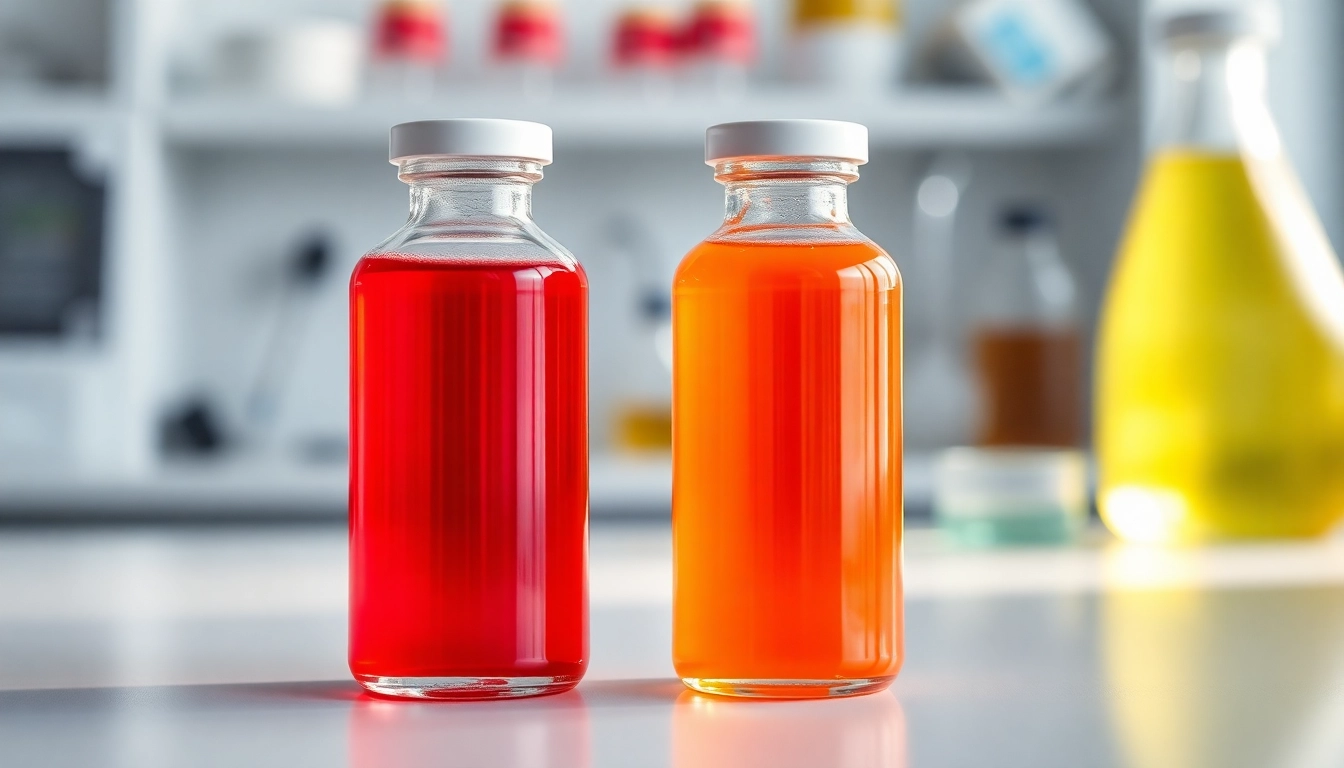
Understanding Astaxanthin: Nature's Powerhouse
What is Astaxanthin?
Astaxanthin is a powerful antioxidant and a member of the carotenoid family. It’s what gives certain seafood, such as salmon, shrimp, and crab, their distinct pink or red color. Astaxanthin is produced by microalgae, and over the years, it has drawn attention for its potential health benefits, including its effectiveness in combating oxidative stress and inflammation. As a nutrient, it is often marketed for its various health-promoting properties, especially among fitness enthusiasts and those seeking natural health alternatives. The focus on natural astaxanthin vs synthetic astaxanthin has become essential in making informed choices regarding supplementation.
The Role of Astaxanthin in Aquatic Life
In nature, astaxanthin plays a multifaceted role in the aquatic ecosystem. It acts as a pigment that enhances the survival of marine creatures by providing a protective mechanism against harsh sunlight and oxidative stress. Marine life, particularly species like salmon and flamingos, relies on astaxanthin for their coloration, health, and reproductive success. The significance of astaxanthin as an antioxidant in marine organisms emphasizes the importance of this carotenoid not only for individual species but also for maintaining ecological balance.
Health Benefits of Astaxanthin
The health benefits of astaxanthin extend beyond its role in marine ecosystems. Numerous studies suggest that astaxanthin can help improve skin health, promote cardiovascular wellness, and enhance athletic performance. As an antioxidant, it neutralizes free radicals and reduces oxidative stress, which can mitigate some aging processes. Additionally, astaxanthin is noted for its anti-inflammatory properties, which can alleviate muscle soreness in athletes and contribute to joint health. There is ongoing research exploring its potential effects on brain health and immunity, making it a compound worth attention.
Natural Astaxanthin vs Synthetic Astaxanthin: Composition and Sources
Defining Natural Astaxanthin
Natural astaxanthin is derived primarily from the microalgae Haematococcus pluvialis, which produces the compound under stress conditions, such as high light intensity or nutrient deficiency. This form is not only bioavailable but also respected for its purity and overall health benefits. It is often found in dietary supplements and health products, especially those aimed at skin health or athletic recovery. The extraction process typically involves cold-press techniques to ensure the retention of beneficial compounds.
Overview of Synthetic Astaxanthin Production
Synthetic astaxanthin is chemically manufactured in labs, mimicking the structure of the natural form. The production often involves petrochemical processes, making it widely available and cheaper compared to its natural counterpart. While synthetic astaxanthin is effective in terms of pigmenting the feed for fish farming or aquaculture, concerns arise over the bioavailability and potential side effects when consumed by humans. The production methods lack the intricate processes present in natural astaxanthin synthesis, sparking debate on their efficacy and safety.
Comparison of Nutritional Profiles
While both forms of astaxanthin share a similar molecular structure, their nutritional profiles can differ significantly. Natural astaxanthin holds a complex matrix of additional beneficial carotenoids and micronutrients, which aid in its absorption and efficacy within the body. Conversely, synthetic astaxanthin, though functional, may not provide the same synergistic effects that the natural version does. Researchers highlight that consuming astaxanthin in its natural form may be more beneficial for health, given its bioactive components and the absence of synthetic fillers or contaminants.
Health Impacts: Natural vs Synthetic
Effects on Human Health
While both natural and synthetic astaxanthin can offer health benefits, there are disparities in their impacts on human health. Natural astaxanthin consistently demonstrates better bioavailability, leading to enhanced health impacts, such as greater antioxidative strength, improved skin elasticity, and enhanced cardiovascular protection. Meanwhile, the synthetic version may be effective but could lack the full spectrum of benefits naturally derived from its counterpart, leading some health professionals to recommend natural sources when possible.
Potential Side Effects of Synthetic Astaxanthin
Research on synthetic astaxanthin raises questions regarding potential side effects. Although many individuals tolerate synthetic astaxanthin well, some reported reactions include digestive discomforts or allergic responses in sensitive individuals. The longer-term effects of consuming synthetic derivatives remain less documented compared to natural astaxanthin, warranting caution and more thorough investigations before widespread use in supplementation.
Choosing the Right Form for Supplements
When it comes to selecting astaxanthin supplements, education is critical. Consumers should consider their health goals, understanding that natural astaxanthin often provides additional health benefits due to its complete nutritional profile. As awareness grows around the distinctions between natural and synthetic astaxanthin, more people find themselves gravitating toward products that clearly specify their sources, opting for natural wherever feasible. Prioritize products tested for purity and bioavailability to maximize health benefits.
Environmental Impact of Production Methods
Sustainability of Natural Sourcing
The environmental implications of sourcing natural astaxanthin underline the importance of sustainable practices. Cultivating microalgae in controlled environments not only preserves the ecosystem but often utilizes less land and resources than conventional farming methods. Natural cultivation programs can contribute to lower carbon emissions and support biodiversity. Organizations focusing on responsible sourcing can positively impact not only their communities but also global environmental health.
Environmental Concerns with Synthetic Production
Synthetic astaxanthin production raises concerns regarding environmental sustainability. The petrochemical methods used often result in significant carbon footprints and chemical waste, which can contribute to environmental degradation. Furthermore, reliance on non-renewable resources contrasts sharply with the principles of sustainable practices that many consumers advocate. Opting for responsibly sourced natural astaxanthin can support eco-friendly initiatives and align with consumer values concerning health and the planet.
Consumer Choices and Their Impacts
Consumer choices extend beyond personal health; they shape market trends and influence production practices. As awareness of the differences between natural and synthetic astaxanthin broadens, consumers increasingly prioritize products that align with their environmental values. Educating oneself and others about the impacts of these choices on sustainability can drive demand towards more responsible sourcing practices, creating a ripple effect in the industry that fosters health and environmental stewardship.
Frequently Asked Questions about Astaxanthin
What are the main health benefits of astaxanthin?
Astaxanthin is known for its powerful antioxidant properties, promoting skin health, reducing inflammation, and potentially enhancing athletic performance.
Is natural astaxanthin more effective than the synthetic form?
Natural astaxanthin is often regarded as more effective due to its higher bioavailability and additional beneficial compounds compared to synthetic astaxanthin.
Are there any side effects associated with astaxanthin?
Most people tolerate astaxanthin well, but some may experience gastrointestinal discomfort or allergic reactions, particularly from synthetic versions.
How should I incorporate astaxanthin into my diet?
Incorporate astaxanthin through dietary sources like salmon and shrimp or consider natural supplements that use microalgae as an ingredient.
Where can I find quality astaxanthin supplements?
Look for reputable health retailers or online sources that specify natural astaxanthin and provide third-party testing results for purity and potency.