Understanding the Diesel Genset: Basics and Benefits
In today’s world, where reliable power sources are crucial for both residential and commercial needs, understanding the diesel genset becomes paramount. A diesel genset, or diesel generator set, is a combination of a diesel engine and an electric generator, designed to convert diesel fuel into electrical energy. This technology has been a backbone for various industries, offering efficient and dependable power solutions, especially in areas where access to the grid is limited or during outages.
What is a Diesel Genset?
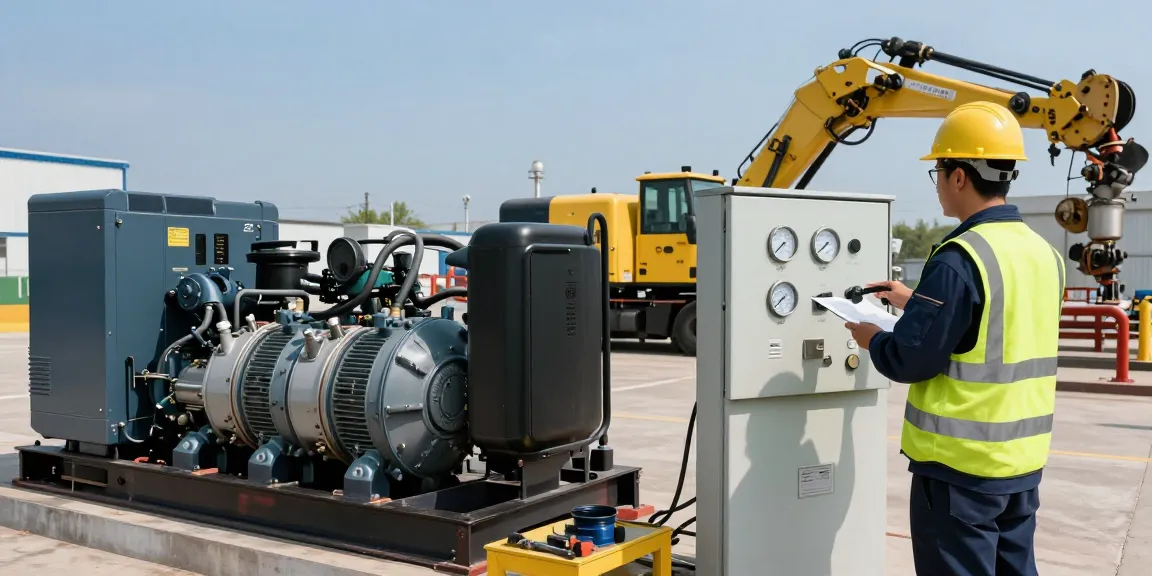
A diesel genset is a self-contained device that produces electrical energy through the combustion of diesel fuel. It consists of a diesel engine, which drives an alternator or generator, and includes components such as fuel tanks, control panels, and cooling systems. The generators can vary significantly in size, ranging from small portable units to large industrial systems capable of powering entire facilities. Understanding how these systems operate can help users make informed decisions regarding their power needs.
Key Components of Diesel Generator Sets
To appreciate the functionality of a diesel genset, it’s essential to understand its key components:
- Diesel Engine: The heart of the genset, it converts diesel fuel into mechanical energy.
- Alternator: This component transforms mechanical energy from the engine into electrical energy.
- Control Panel: It allows for monitoring and control of the generator’s functions, including starting and stopping the unit.
- Fuel System: Ensures the diesel is delivered to the engine efficiently.
- Cooling System: Prevents overheating of the engine by dissipating excess heat generated during operation.
- Skid Base: Provides a stable foundation for the entire unit, often designed for mobility and weather resistance.
Advantages of Using Diesel Generators
Diesel generators have several advantages that make them a preferred choice in many applications:
- Fuel Efficiency: Diesel engines are known for their fuel efficiency, producing more power per liter of fuel compared to gasoline engines.
- Durability and Longevity: With proper maintenance, diesel gensets can last significantly longer than their gasoline counterparts.
- Low Operating Costs: Due to their fuel efficiency and durability, the overall operating costs of diesel generators tend to be lower over time.
- Robust Power Output: They are capable of providing substantial power output, making them suitable for industrial and heavy-duty applications.
- Less Maintenance Required: Diesel engines generally require less frequent maintenance compared to gasoline engines, which can lead to cost savings.
Choosing the Right Diesel Genset for Your Needs
When selecting a diesel genset, it’s crucial to consider various factors to ensure the unit meets your specific power requirements effectively.
Factors to Consider When Selecting a Diesel Genset
Here are important factors to consider:
- Power Requirements: Determine the total wattage needed to run your essential appliances or equipment.
- Run Time: Consider how long you will need the genset to operate; larger tanks can provide longer run times.
- Portability: For applications requiring mobility, consider whether a portable genset is needed.
- Noise Levels: Some locations may have restrictions on noise; look for models designed for quieter operation.
- Fuel Availability: Assess the availability of diesel fuel in your area to avoid supply chain issues.
Common Misconceptions About Diesel Generators
Despite their advantages, there are several misconceptions that can deter potential buyers:
- High Operating Costs: While initial costs may be higher, the long-term savings from efficiency and durability often outweigh initial investments.
- Limited Applications: Diesel gensets are versatile and can be used in various settings, including construction sites, emergency backup power, and remote locations.
- Environmentally Harmful: Modern diesel gensets comply with stricter emissions standards, making them more environmentally friendly than older models.
Comparing Diesel Gensets to Other Power Sources
When examining power options, diesel gensets hold unique advantages over alternatives like gasoline generators and natural gas systems:
- Fuel Efficiency: Diesel engines are more fuel-efficient, providing longer runtimes on less fuel.
- Power Output: For heavy-duty applications, diesel gensets can deliver higher power outputs with reliability.
- Operational Longevity: Diesel generators typically outlast gasoline ones, making them a more sustainable choice over time.
Installation Best Practices for Diesel Gensets
Proper installation is vital for the efficient operation and longevity of diesel gensets. Here are best practices to ensure a successful setup.
Site Preparation and Genset Placement
The installation site should be thoroughly evaluated. Ideally, the location should be:
- Stable and Level: Provides a solid foundation to withstand vibrations during operation.
- Well-Ventilated: Adequate airflow is essential for cooling the unit and ensuring proper combustion.
- Accessible: Ensure there is enough space around the genset for maintenance and refueling.
Connecting Diesel Gensets to Power Systems
For automatic or manual transfer, it’s crucial to establish safe and reliable connections to the main electrical system. This often involves:
- Professional Installation: Hiring a certified electrician to ensure compliance with local regulations and safety standards.
- Using Appropriate Wiring: Selecting the correct size and type of cables based on the power output and distance to the connection point.
Safety Protocols During Installation
Safety is paramount during installation. Following guidelines can prevent accidents:
- Personal Protective Equipment (PPE): Use appropriate safety gear, such as gloves and goggles.
- Clear Communication: Ensure all team members are aware of their roles and safety procedures.
Maintenance and Troubleshooting Diesel Generators
Routine maintenance is critical for ensuring the reliability and performance of diesel generators. Regular checks can identify issues early, saving costs in the long run.
Routine Maintenance Practices for Longevity
Key maintenance practices include:
- Regular Oil Changes: Change the oil and replace the oil filter as per the manufacturer’s recommendations.
- Fuel Filter Checks: Inspect and replace fuel filters to ensure clean fuel delivery.
- Battery Maintenance: Check battery levels and connections to avoid starting issues.
- Cooling System Checks: Regularly inspect coolant levels and hoses to prevent overheating.
Common Issues and How to Resolve Them
Being aware of common problems can help in troubleshooting:
- Starting Issues: Check batteries and fuel supply if the genset fails to start.
- Overheating: Ensure that the cooling system is functioning correctly and coolant levels are adequate.
- Electrical Failures: Inspect connections and circuit breakers if power output is inconsistent.
When to Call an Expert for Diesel Genset Problems
If issues persist despite troubleshooting, it’s best to consult a professional. Significant problems that require expert intervention may include:
- Complex electrical failures
- Fuel system issues
- Frequent overheating
Future Trends and Innovations in Diesel Genset Technology
The diesel genset industry is evolving, with several trends and innovations that will shape the future:
Emerging Technologies Enhancing Diesel Generators
Technological advancements are leading to more efficient and eco-friendly diesel gensets:
- Hybrid Systems: Incorporating renewable energy sources, such as solar, enhances fuel efficiency and reduces emissions.
- Smart Controls: IoT integration allows for real-time monitoring and remote control, improving efficiency and performance.
Impact of Environmental Regulations on Diesel Gensets
With growing environmental concerns, regulations around emissions are becoming stricter:
- Manufacturers are increasingly developing gensets that comply with new standards for lower emissions.
- Technology is being utilized to reduce the carbon footprint of diesel generators while maintaining performance.
Predictions for Diesel Gensets in 2026 and Beyond
Looking ahead, the future of diesel gensets appears promising:
- Increased use of hybrid systems is expected to dominate the market, combining the reliability of diesel with green energy solutions.
- Continued innovation in fuel efficiency and emissions control technologies will make diesel gensets even more appealing.
What Are the Best Diesel Gensets for Various Applications?
Choosing the right genset often depends on the specific application:
- Residential Use: Smaller units, typically in the 5-10 kW range, provide adequate power for home backup.
- Commercial Use: Mid-sized generators from 20-100 kW are ideal for small to medium businesses.
- Industrial Use: Large-scale operations often require units above 100 kW, tailored for heavy machinery and large facilities.
How to Optimize Performance of Diesel Generators?
Optimizing performance involves a combination of maintenance and operational practices:
- Scheduling Regular Maintenance: Regular upkeep ensures peak performance and prevents failures.
- Proper Load Management: Avoid underloading or overloading your genset, as both can lead to reduced efficiency and longevity.
Factors Influencing Diesel Genset Costs?
Several factors contribute to the overall costs associated with diesel gensets:
- Size and Capacity: Larger, more powerful units come at a higher price point.
- Brand Reputation: Established brands may be more expensive due to their reliability and support.
- Features and Technology: Advanced features such as automatic start, remote monitoring, and hybrid capabilities can increase costs.
What is the lifespan of a typical diesel genset?
The lifespan of a diesel genset typically ranges from 10,000 to 30,000 hours of operation, depending on maintenance practices and the quality of the unit. Regular maintenance can significantly extend operational life.
Are diesel generator installations complex?
Installation complexity can vary based on factors such as site conditions and the specific system being installed. However, with proper planning and professional help, successful installation is achievable.
What are the fuel efficiency trends with diesel gensets?
Trends in fuel efficiency are moving towards hybridization and the use of advanced engine designs that offer improved fuel consumption rates. For more information, Diesel generators offers valuable insights. Innovations are being made to optimize combustion processes and enhance energy recovery.