
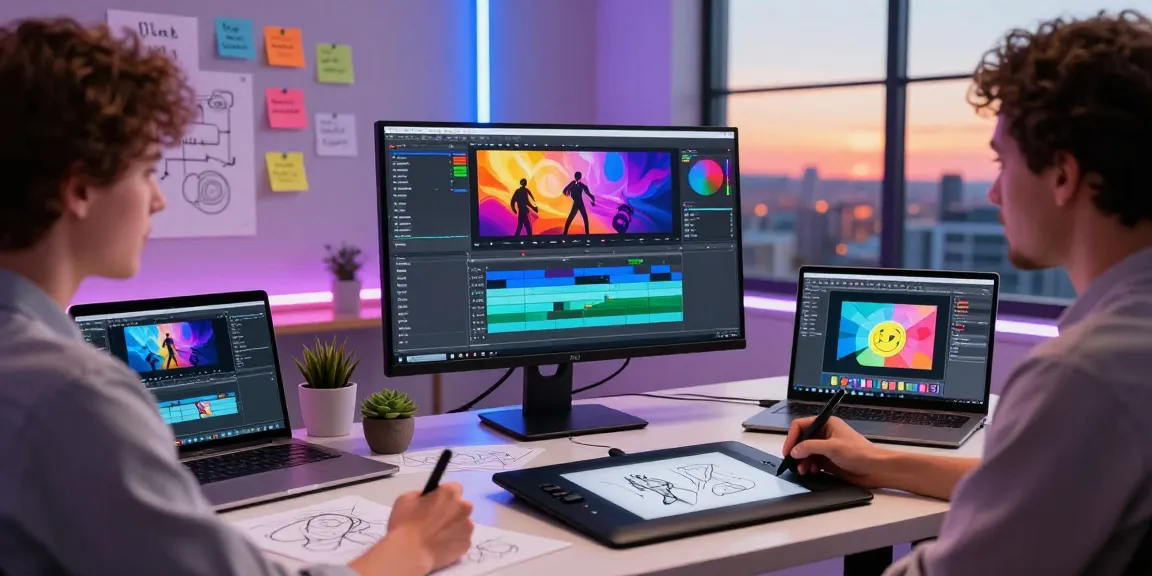
Understanding Motion Design and VFX
In today’s fast-paced digital landscape, the intersection of motion design and visual effects (VFX) has become a crucial skill set for creators. As businesses and content creators seek to elevate their projects, understanding these disciplines not only enhances visual storytelling but also sets individuals apart in a competitive job market. Whether you’re a seasoned filmmaker looking to refine your skills or a newcomer eager to break into the industry, mastering motion design and VFX is key to success.
When exploring options, Motion design and VFX masterclass provides comprehensive insights into the techniques that can help you stand out. This unique blend of creativity and technical skill is not only applicable to film and advertising but also extends to various fields such as gaming, web design, and interactive media.
What is Motion Design?
Motion design combines graphic design principles with animation techniques to create engaging visual content. This field is essential for video content, where static designs are animated to convey messages dynamically. From title sequences in movies to engaging social media posts, motion design enhances the viewer’s experience by adding movement and emotional impact to graphics.
Key Elements of VFX
Visual effects (VFX), on the other hand, involve the manipulation and creation of imagery that cannot be achieved during live-action shooting. This includes computer-generated imagery (CGI), compositing, and practical effects to enhance or create environments, characters, and elements that are visually compelling yet fantastical. VFX is pivotal in storytelling, particularly in genres like action, fantasy, and science fiction where reality blends with imagination.
Differences Between Motion Design and VFX
While motion design and VFX share similarities, they serve distinct purposes. Motion design focuses on animating graphic elements to enhance communication, whereas VFX is centered on creating and integrating effects that establish a narrative context. Understanding these differences allows creators to leverage the strengths of both fields effectively in their projects.
Course Overview: The Motion Design and VFX Masterclass
Our Motion Design and VFX Masterclass is meticulously structured to equip aspiring designers and filmmakers with the essential skills needed to excel in this dynamic industry. The course includes practical exercises, real-world projects, and expert insights that cover the full spectrum of motion graphics and visual effects.
What to Expect from the Masterclass
Participants can expect an interactive learning experience where they will engage with the industry’s leading software tools. The curriculum includes:
- Introduction to motion design principles.
- Comprehensive VFX techniques using software like Adobe After Effects.
- Project-based learning to apply skills in real-world scenarios.
- Collaborative opportunities to work with fellow creatives.
Course Structure and Learning Outcomes
The masterclass consists of a series of modules designed to gradually build your expertise. Each section provides hands-on projects to reinforce learning. By the end of the course, you will have:
- Created a portfolio of motion design and VFX projects.
- Learned advanced animation and compositing techniques.
- Gained a deep understanding of visual storytelling.
- Developed sound design skills to complement your visuals.
Who Should Enroll in This Masterclass?
This masterclass is ideal for:
- Beginners eager to learn the fundamentals of motion design and VFX.
- Intermediate professionals looking to enhance their skills and diversify their portfolios.
- Experienced creators seeking advanced techniques and industry insights.
- Freelancers and content creators wanting to elevate their projects and attract more clients.
Essential Software and Tools for Motion Design
Mastering motion design and VFX requires familiarity with industry-standard software and tools. Here’s what you need:
Industry-Standard Software: After Effects and More
Adobe After Effects is the cornerstone software for motion design and VFX. This powerful tool enables artists to create intricate animations and composite visual effects seamlessly. Other essential tools include:
- Adobe Premiere Pro: For video editing and integration of motion graphics.
- Blender: A versatile tool for 3D modeling and animation.
- Cinema 4D: Ideal for motion graphics and advanced VFX work.
Hardware Requirements for Efficient Workflows
Having the right hardware is crucial for optimizing your workflow. Recommended specifications include:
- A multi-core processor for handling complex tasks efficiently.
- At least 16GB of RAM to manage software applications and projects smoothly.
- A dedicated GPU for rendering graphics and effects quicker.
- High-resolution monitors for precise visual work.
Integrating Creative Tools in Your Projects
Understanding how to integrate and use different tools effectively can enhance your projects. For instance, combining After Effects with Blender can allow for unique 3D graphics that elevate your motion design work, offering a competitive advantage in creative fields.
Techniques and Best Practices in Motion Design
To create captivating motion graphics and visual effects, understanding foundational techniques is essential. Here are some best practices:
Visual Storytelling Fundamentals
Visual storytelling is at the heart of effective motion design. Every element you create should serve to tell a story or convey a message. Consider the emotional tone, pacing, and visual hierarchy to guide the audience’s response.
Animation Techniques for Dynamic Content
Employing simple animation techniques like easing can give your designs a more fluid quality. Motion principles such as squash and stretch can make animations feel more natural and engaging, enhancing the overall impact of your work.
Sound Design and Its Role in Motion Graphics
Sound design is integral to motion design. A well-crafted auditory experience can significantly elevate the emotional resonance of your visuals. Utilizing sound effects, background scores, and voiceovers effectively can amplify the viewer’s engagement with the content.
Future Trends in Motion Design and VFX
As the industry evolves, staying ahead of trends is critical for any motion designer or VFX artist. Here’s what to look out for:
Emerging Tools and Technologies in 2026
The landscape of motion design and VFX is continuously changing with new technologies. Tools based on augmented reality (AR) and virtual reality (VR) are becoming more prevalent, allowing creators to explore immersive environments and experiences.
The Role of AI in Motion Design
Artificial intelligence is making waves in motion graphics, automating processes and enabling higher levels of creativity. AI tools can analyze footage and suggest edits, significantly speeding up the production workflow and enhancing decision-making.
Career Opportunities in Motion Design and VFX
The demand for skilled motion designers and VFX artists continues to grow. Career paths in this industry include:
- Motion Graphic Designer
- VFX Supervisor
- 3D Animator
- Post-Production Specialist
- Freelancer for films and advertising
What’s Next for Motion Design Enthusiasts?
As you hone your skills in motion design and VFX, consider how you can further your education and experience. Engaging with online communities, participating in workshops, and collaborating with other creatives can open new avenues for growth. The future is bright for those willing to embrace change and innovation in this exciting field.