
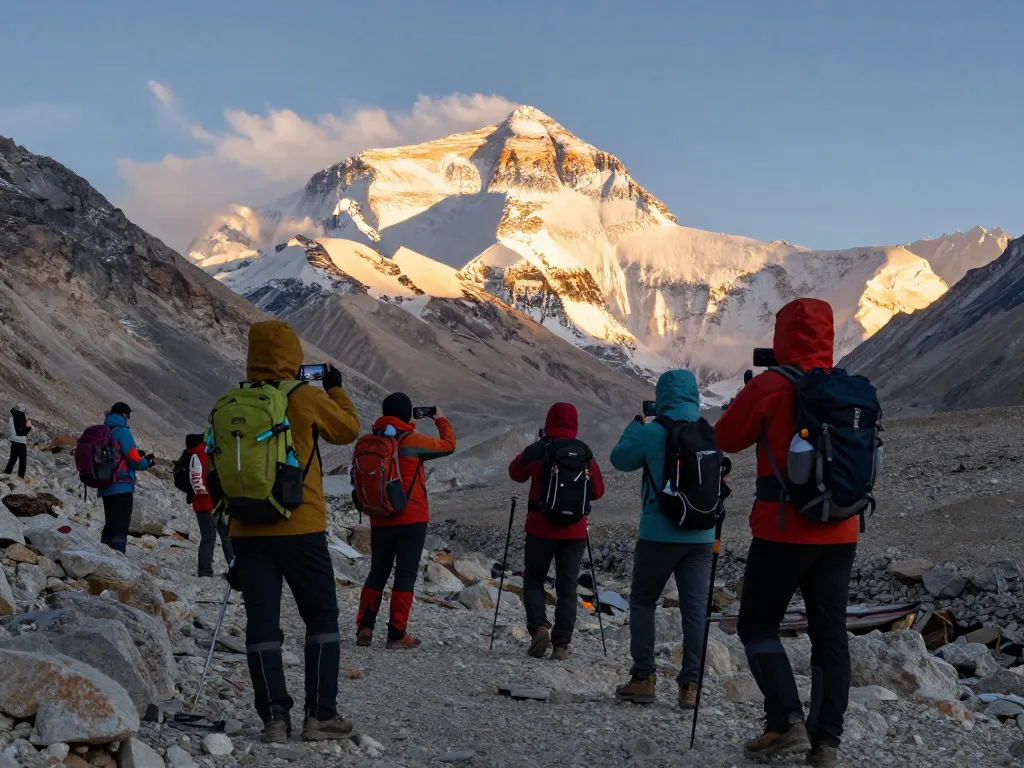
Introduction to the Everest Base Camp Heli Trek
The Everest Base Camp Heli Trek offers a breathtaking combination of adventure and convenience, allowing trekkers to experience the stunning landscapes of the Himalayas without enduring the exhaustive return trek on foot. This unique option has become increasingly popular among travelers seeking to appreciate Everest’s grandeur while minimizing the physical demands of the journey. Not only does this trek cater to seasoned adventurers, but it also opens the door for those hesitant about long hikes, providing a fantastic opportunity to witness one of the world’s most iconic vistas.
When exploring options, Everest Base Camp Heli Trek offers comprehensive insights into the trek’s logistics, experiences, and breathtaking views that one should not miss.
What is the Everest Base Camp Heli Trek?
The Everest Base Camp Heli Trek is a curated trekking experience designed for those who want to reach the iconic base camp at the foot of Mount Everest with an exhilarating twist—taking a helicopter back to Kathmandu. This trek typically begins with a flight to Lukla, followed by several days of trekking through picturesque Sherpa villages, dense forests, and stunning mountain landscapes. Upon reaching base camp, trekkers can soak in the majestic views before hopping on a helicopter for a scenic flight back to Kathmandu, significantly reducing the time spent on the trail and offering a unique perspective of the mountains from the sky.
Why Choose a Helicopter Return?
Opting for a helicopter return from Everest Base Camp is a decision motivated by comfort, convenience, and the thrill of aerial views. Here are some compelling reasons to consider this option:
- Time Efficiency: The helicopter return significantly cuts down the overall time required for the trek, allowing trekkers to enjoy the highlights without the demanding uphill and downhill hiking.
- Spectacular Aerial Views: Flying back offers an unparalleled aerial view of the Himalayan range, including the towering peaks that surround Everest Base Camp.
- Physical Considerations: For those who may not be able to handle strenuous trekking or thigh-burning descents, the helicopter serves as a comfortable and safe alternative.
- Flexible Itineraries: You can customize your itinerary without the constraints of hiking both ways, making it a versatile option for various travelers.
Overview of the Trekking Experience
The Everest Base Camp Heli Trek is characterized by its stunning landscapes and rich cultural experiences. During the trek, you will pass through several traditional Sherpa villages such as Namche Bazaar and Tengboche, where you can immerse yourself in the local culture. The route is adorned with prayer flags, ancient monasteries, and breathtaking views of the surrounding peaks, including Lhotse, Nuptse, and of course, Mount Everest. This trek caters to both thrill-seekers and those looking for a more leisurely experience, making it a worthy adventure for all types of trekkers.
Planning Your Everest Base Camp Heli Trek
Planning is essential for a successful trek. From ensuring you have the necessary permits to selecting the appropriate time of year, careful preparation will enhance your trekking experience. This section delves into the necessary steps to prepare for your Everest Base Camp Heli Trek.
Permits and Requirements for the Trek
To trek to Everest Base Camp, you will need several permits. The key permits required include:
- TIMS Card: The Trekkers’ Information Management System (TIMS) card helps the government manage and monitor trekkers in the region.
- Sagarmatha National Park Permit: This permit grants you access to the Sagarmatha National Park, which is home to Mount Everest and its surrounding ecosystems.
It’s commonly recommended to handle these permits through a reputable trekking agency, which can assist with paperwork and ensure you have everything you need before starting your adventure.
Best Time of Year to Undertake the Trek
The ideal time for the Everest Base Camp Heli Trek is during the pre-monsoon and post-monsoon seasons. Typically, the following months are considered the best:
- March to May: This is the spring season, which offers clear weather and relatively moderate temperatures, making it perfect for trekking.
- September to November: Post-monsoon, you can enjoy stable weather conditions and stunning autumn landscapes.
It is advisable to avoid the monsoon months (June to August) due to heavy rainfall and the risk of landslides, as well as winter months (December to February) when conditions can become extremely cold and challenging.
Choosing the Right Tour Operator
Selecting a reputable tour operator is crucial for a successful trek. Look for operators with:
- Experience: Choose a company with a strong track record in organizing the Everest Base Camp Heli Trek.
- Testimonials: Read customer reviews and testimonials to gauge service quality and reliability.
- Safety Standards: Ensure the operator adheres to safety regulations and standards, providing the necessary emergency support.
By conducting thorough research and selecting a trustworthy tour operator, you can enhance your trekking experience and ensure safety during your journey.
Preparing for the Trek: Essential Gear and Acclimatization
Preparation is key to a successful trekking experience. Aside from physical fitness, having the right gear and understanding the importance of acclimatization can make a significant difference.
What to Pack for the Heli Trek
Packing appropriately ensures comfort and safety during your trek. Essential items to bring include:
- Clothing: Layered clothing is essential for changing weather conditions, including moisture-wicking base layers, insulating middle layers, and waterproof outer layers.
- Footwear: Sturdy trekking boots with good ankle support are crucial, along with comfortable socks to prevent blisters.
- Accessories: Don’t forget gloves, hats, sunglasses, and a daypack for essentials during daily treks.
Consider utilizing packing lists from your tour operator, as they often have tailored advice based on recent weather conditions and the trekking route.
Importance of Acclimatization
Acclimatization is vital for preventing altitude sickness, which can occur when ascending to high altitudes too quickly. Here are some important acclimatization tips:
- Gradual Ascent: Make sure your itinerary includes rest days to allow your body to adjust to the altitude.
- Stay Hydrated: Drink plenty of water and avoid excessive alcohol consumption, which can impede your acclimatization process.
- Listen to Your Body: If you feel unwell, communicate with your guide and don’t hesitate to descend if necessary.
By prioritizing acclimatization, you can enhance your safety and enjoyment during the trek.
Health and Safety Tips for High Altitude
Maintaining health and safety during your trek is paramount. Some essential tips include:
- Monitor Your Symptoms: Be vigilant about recognizing signs of altitude sickness, which can include headaches, nausea, and dizziness.
- Nutrition: Eat nourishing meals to fuel your body; opt for high-calorie snacks such as nuts and energy bars for extra energy on the go.
- Emergency Preparedness: Familiarize yourself with the evacuation procedures and emergency contacts provided by your operator.
Taking these precautions can significantly enhance your trekking experience and safety in the Everest region.
The Itinerary: What to Expect Day by Day
The itinerary for the Everest Base Camp Heli Trek generally spans over several days, allowing for acclimatization and exploration. Here’s what to expect day by day:
Day 1-3: Trekking from Lukla to Base Camp
The journey begins with a flight to Lukla, where the adventure kicks off. Over the next few days, you will traverse through:
- Day 1: Lukla to Phakding – A brief trek through charming villages along the Dudh Kosi River.
- Day 2: Phakding to Namche Bazaar – Ascending to Namche, the bustling hub for trekkers, known for its vibrant market and stunning mountain views.
- Day 3: Namche Bazaar to Tengboche – Trekking through lush forests, you’ll reach the Tengboche Monastery, which offers magnificent views of Everest and nearby peaks.
Day 4: Exploring Everest Base Camp and Surroundings
On Day 4, the trek continues to the base camp, where you can soak in the atmosphere and view climbers preparing for their expeditions. Highlights include:
- Visiting the base camp and learning about climbing expeditions.
- Taking iconic photos with the stunning backdrop of Everest.
- Experiencing the tranquil beauty that has drawn adventurers for decades.
This day is a pinnacle experience, bringing trekkers face-to-face with the world’s tallest peak.
Day 5: Helicopter Return Flight – What to Look Forward To
The final day of the trek includes the highly anticipated helicopter return flight. Expect:
- Breathtaking views from the helicopter as you soar above the peaks and valleys.
- Quick descent back to Kathmandu, where you can relax and enjoy the comforts of the city.
- A unique perspective that provides a fitting conclusion to your adventure.
For many, this exhilarating flight serves as a highlight, allowing trekkers to see the landscape from new heights while reflecting on the incredible journey.
Cost and Value of the Everest Base Camp Heli Trek
Understanding the costs associated with the Everest Base Camp Heli Trek is crucial for budgeting your adventure. This section outlines what you can expect in terms of pricing and what is typically included in packages.
Understanding Trek Costs: What’s Included?
The cost of the trek can vary significantly based on several factors, including:
- Duration: Longer treks with more acclimatization days will generally cost more.
- Group Size: Private tours may be pricier compared to group treks.
- Season: Prices can fluctuate based on the trekking season and demand.
On average, costs can range from $2,150 to $5,000 per person depending on the inclusivity of services such as permits, guides, meals, and accommodation.
Comparative Analysis of Trekking vs. Helicopter Tours
When considering the trekking experience compared to a helicopter tour, trekkers should weigh pros and cons. While traditional trekking offers a deep connection with the region, the helicopter return provides convenience and unique perspectives. Factors to consider include:
- Physical Fitness: A longer trek requires good physical conditioning, while a helicopter return suits varying fitness levels.
- Experience Level: Those seeking a hardcore trekking experience may favor the traditional trek, while less experienced individuals may opt for the helicopter return.
- Time Constraints: If you have limited time, a helicopter return can maximize your trekking experience while minimizing your time on the trail.
Future Trends in Pricing and Trekking Options for 2026
As trekking tourism continues to evolve, it is essential to stay informed about potential trends for the Everest Base Camp Heli Trek in 2026. Some predictions include:
- Increased Costs: As demand rises, so may the cost of treks, especially during peak seasons.
- Eco-Friendly Options: Sustainability will play a more prominent role in trekking services, with more operators adopting eco-friendly practices.
- Customizable Packages: Tour operators may offer increasingly personalized packages, allowing trekkers to tailor their experiences.
Future trekkers should remain adaptable and keep abreast of changes in the trekking landscape to ensure they receive the best possible experience.