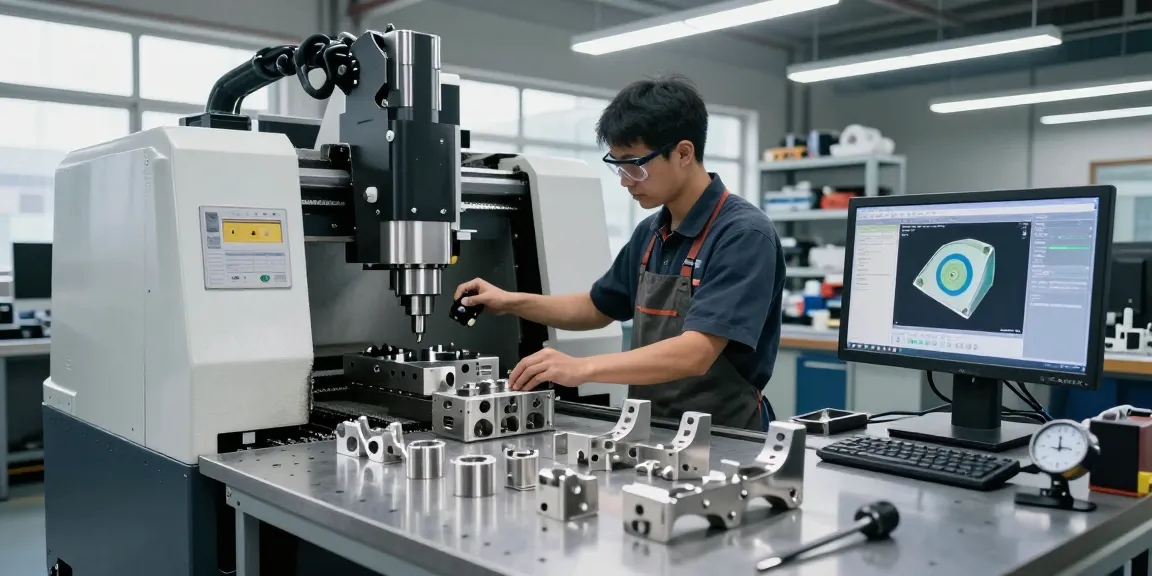
Understanding Machined Stainless Steel Parts
Machined stainless steel parts are vital components across various industries, renowned for their strength, durability, and resistance to corrosion. As a critical material in manufacturing, it supports the production of intricate parts that require precision and reliability. In the realm of machining, the process involves removing material from a solid block of stainless steel to create parts that meet specific tolerances and functionalities. When exploring options, machined stainless steel parts are often favored for custom projects due to their versatility and performance characteristics.
What Are Machined Stainless Steel Parts?
Machined stainless steel parts refer to components that have been shaped from stainless steel through machining processes such as CNC (Computer Numerical Control) turning, milling, drilling, and grinding. This method allows manufacturers to achieve intricate designs and high precision, making these parts integral in industries such as aerospace, automotive, medical, and more. These parts can range from simple washers to complex engine components, depending on the application requirements.
Types of Stainless Steel Used in Machining
There are several grades of stainless steel utilized in machining, each selected for its unique properties:
- Austenitic Stainless Steel: This is the most common type used in machining, including grades like 304 and 316. They offer excellent corrosion resistance and good machinability.
- Ferritic Stainless Steel: Grades such as 430 are less expensive and have good resistance to stress corrosion cracking. However, they are generally less ductile and more difficult to machine.
- Martensitic Stainless Steel: This type, including grade 410, is used where high strength and hardness are required. It offers moderate corrosion resistance and can be heat treated to improve mechanical properties.
- Duplex Stainless Steel: Combining features of austenitic and ferritic steels, duplex stainless steels exhibit enhanced strength and corrosion resistance, making them suitable for demanding applications.
Applications of Machined Stainless Steel Parts in Various Industries
Machined stainless steel parts are used in diverse applications due to their mechanical properties and corrosion resistance. Key industries benefiting from these components include:
- Aerospace: Components such as turbine blades and body frames require high-strength and lightweight materials, necessitating the use of machined stainless steel.
- Medical: Surgical instruments and implants demand precision and hygiene; thus, parts made from stainless steel are highly sought after for their sterilization capabilities.
- Automotive: From engine components to exhaust systems, stainless steel parts provide the necessary durability against harsh environments and heat.
- Food and Beverage: Equipment used in food processing must resist corrosion and be easy to clean, making stainless steel a preferred choice.
Common Challenges in Machining Stainless Steel
While machining stainless steel offers numerous advantages, manufacturers face several challenges during the process, which can impact production efficiency and quality.
Tool Wear and Maintenance Issues
Stainless steel is notoriously abrasive on cutting tools, leading to rapid wear. Tool life can be significantly reduced due to the high forces and temperatures generated during machining. Consequently, maintaining tools and selecting the right materials for tooling is crucial to minimize downtime and maintain production rates.
Heat Management Challenges During Machining
Machining stainless steel often generates excessive heat due to its low thermal conductivity. This can lead to issues such as workpiece distortion and changes in the material properties. Implementing effective cooling systems and choosing the right cutting speeds and feeds are essential strategies to mitigate overheating.
Precision and Tolerance Challenges in Fabrication
Achieving the required precision and tolerances in machined stainless steel parts can be challenging, especially for complex geometries. Manufacturers must invest in high-quality CNC machines and advanced programming to ensure that parts meet stringent specifications without compromising the surface finish.
Best Practices for Machining Stainless Steel Parts
To overcome these challenges and enhance production quality, manufacturers can adopt several best practices tailored to machining stainless steel.
Choosing the Right Tools and Techniques
Using the appropriate cutting tools, such as carbide or high-speed steel, is pivotal for effective machining. An ideal choice would be tools coated with titanium nitride (TiN) or other advanced coatings to ensure durability. Furthermore, selecting the right machining technique—whether turning, milling, or grinding—should be guided by the specific requirements of the part being produced.
Optimizing Machining Parameters for Efficiency
Adjusting parameters such as spindle speed, feed rate, and depth of cut can significantly influence the machining process. A well-optimized setup not only enhances efficiency but also prolongs tool life and improves part quality. Performing regular testing and adjustments based on feedback from production can lead to substantial gains.
Implementing Quality Control Measures
Incorporating stringent quality control protocols at various stages of the machining process is essential. Techniques such as statistical process control (SPC) can help identify variations early, avoiding potential quality issues in the final product. Regular inspections, utilizing precision measurement tools, ensure that machined parts meet the required specifications consistently.
Future Trends in Machined Stainless Steel Parts
The landscape of machining stainless steel is continuously evolving, driven by advancements in technology and market demands. Several trends are anticipated to shape the future of this industry.
Advancements in CNC Technology and Automation
Future machinery will likely integrate more advanced CNC technology, enabling higher precision and automation in machining processes. Robotics in manufacturing will improve efficiency and reduce labor costs while allowing for complex part production that was not feasible with traditional methods.
Eco-Friendly Machining Practices
As industries move towards sustainability, eco-friendly machining practices are gaining traction. These include reducing waste, recycling materials, and employing lubricants that minimize environmental impact without compromising performance.
Future Materials and Coatings Enhancements
Research into new stainless steel alloys and advanced coatings will continue, aiming to improve machinability and performance. Innovations may lead to lighter and more durable materials that provide even greater resistance to corrosion and wear.
Case Studies of Successful Machined Stainless Steel Parts
Real-world applications highlight the effectiveness and versatility of machined stainless steel parts, showcasing their importance across various sectors.
Innovative Applications in Aerospace and Defense
In the aerospace sector, manufacturers have turned to machined stainless steel for components that endure extreme conditions. For example, jet engine components made from high-strength stainless steel alloys provide the necessary reliability and performance, critical for safe aircraft operations.
Medical Devices Reliant on Precision Parts
The medical industry relies heavily on precision machining for devices such as surgical tools and implants. A notable case involved a leading medical device manufacturer that enhanced its product offerings by incorporating machined stainless steel parts, significantly improving the durability and sterility of their devices.
Success Stories from Leading Manufacturers
Several manufacturers have reported increased operational efficiency and reduced costs by optimizing their stainless steel machining processes. Companies that adopted advanced CNC machining technologies have noted substantial improvements in their production capabilities and product quality.
What are the benefits of using stainless steel for machined parts?
Stainless steel offers numerous benefits for machined parts, including excellent corrosion resistance, high strength, and the ability to withstand extreme temperatures. These attributes make it ideal for applications where durability and longevity are essential.
How can I find reliable suppliers for machined stainless steel parts?
Finding trustworthy suppliers involves researching manufacturers with a proven track record, checking certifications, and reviewing customer testimonials. Engaging with industry networks and forums can also yield valuable insights on reputable providers.
What machining techniques are most effective for stainless steel?
Effective machining techniques for stainless steel include CNC turning, milling, and grinding. Each technique has its advantages, and the choice often depends on the complexity of the part and the required precision.
Are there alternatives to stainless steel for certain applications?
While stainless steel is favored for many applications, alternatives such as aluminum, plastic composites, and carbon steel may be used, depending on the specific requirements, including weight, cost, and corrosion resistance.
How does the cost of machined stainless steel parts compare to other materials?
Machined stainless steel parts generally have a higher upfront cost compared to materials like carbon steel or aluminum. However, their long-term value often outweighs initial expenses due to their durability and lower maintenance needs.